
Filing a Diminished Value Claim: Maximize Your Car’s Worth

Ever thought about how much your car’s value drops after an accident? Even with repairs, it can lose a lot of value. Knowing about diminished value could help you get back thousands of dollars.
A diminished value claim helps you get back the lost value of your car after an accident. Even after repairs, your car’s value goes down. This claim lets you get money back for that lost value.
If your car gets damaged, you can use a diminished value claim to protect your money. You need to show how your car was before the accident and how much its value dropped after repairs.
Table of Contents
Key Takeaways
- Diminished value represents the reduction in a car’s market value after an accident
- Claims can help recover financial losses from vehicle depreciation
- Proper documentation is key for a successful claim
- Every car that’s been fixed after an accident might qualify for a claim
- Insurance companies must think about diminished value when they settle claims
Understanding Diminished Value Claims
When a car gets into an accident, its value goes down right away. This drop in value is called diminished value. It’s important for car owners to know about it when they want fair compensation.
Car owners face big financial losses when their car’s value drops after an accident. The insurance payout for diminished value shows how much the car’s value has fallen.
What is Diminished Value?
Diminished value has three main types:
- Inherent Diminished Value: The value loss just because the car was in an accident
- Immediate Diminished Value: The value drop right after the accident
- Repair-Related Diminished Value: More value loss because of bad repairs
Reasons to File a Diminished Value Claim
It’s key to prove the value loss to get money back. Car owners should think about filing a claim for a few reasons:
- To get back some of the money they lost
- To keep the car’s value good for selling later
- To make sure they get fair money from insurance
Knowing about diminished value claims helps car owners deal with insurance better. It helps them get the most money they can.
Assessing Your Vehicle’s Value
Knowing your car’s value after an accident is key for a diminished value claim. The appraisal shows how much your car’s value dropped because of damage and repairs.
- Vehicle age and model year
- Total mileage
- Pre-accident condition
- Extent of previous damage
- Quality of repair work
Critical Factors Influencing Vehicle Value
Insurance companies use certain ways to figure out car value loss. The 17c Diminished Value Formula is a well-known method that came from a big case in Georgia.
To get a true pre-accident value, use trusted sources:
- Kelley Blue Book online valuation
- NADA Guides vehicle pricing
- Professional vehicle appraisal services
- Local dealership market comparisons
How to Obtain a Pre-Accident Value
To use a claim calculator for car value loss, you need to document everything well. Collect maintenance records, vehicle history reports, and photos of your car before the accident. These help prove your car’s original value.
Getting your car’s value right means you get fair pay for its lower market value after repairs.
The Claim Process Explained
Filing a diminished value claim needs careful planning and lots of paperwork. You must show your car’s value went down after an accident.
Getting your claim right means having strong evidence. You need to tell a story that shows your car is worth less now.
Documenting Your Vehicle’s Condition
Here’s what you need to do:
- Take clear photos of the damage
- Get all repair records
- Get a professional to value your car’s loss
- Keep records of car maintenance before the accident
Gathering Necessary Evidence
Your claim letter should have:
- Details about your car
- The accident report
- A professional appraisal
- How your car’s value compares to others
| Evidence Type | Importance Level | Recommended Documentation |
|---|---|---|
| Repair Records | High | Detailed repair invoices |
| Market Comparisons | Critical | Local dealership value estimates |
| Professional Appraisal | Essential | Certified automotive appraiser report |
Proactive documentation makes your claim stronger. It helps you get what you deserve.
How to File a Diminished Value Claim
Filing a diminished value claim can be tough. But knowing the right steps can help you get the most value for your car after an accident. You need to document everything well and talk clearly with insurance companies.

- Find out your car’s value before the accident using Kelley Blue Book
- Collect all the damage and repair records
- Use expert methods to figure out the diminished value
- Put together a detailed claim package for the insurance
Initiating Your Insurance Disputes DV Claim
The DV claim process involves talking a lot with your insurance. First, call your adjuster and ask for a diminished value check. Be ready to show lots of proof that your claim is true.
Strategies for Working with Insurance Companies
To win a diminished value claim, you need a smart plan. Insurance companies might not want to pay, so show them strong evidence. Get expert appraisals, keep repair records, and be ready to talk things over.
- Show all repair records
- Get a professional to value your car
- Know the rules in your state
- Stay calm and organized
Every insurance company handles diminished value claims differently. Being patient and well-prepared can really help you win your case.
Common Misconceptions about Diminished Value Claims
Dealing with a property damage legal claim can be tough. It’s hard to understand diminished value claims. Many car owners don’t know how to get the right compensation for their car’s lower value after an accident.
Car owners often get confused about state laws on DV claims. Let’s look at some big myths and facts about diminished value claims:
- Myth: Only non-fault accidents qualify for claims
Reality: You can file a claim even if you were partly at fault in an accident.
- Myth: Insurance companies always reject diminished value claims
Reality: Most insurers do allow diminished value claims. But, the rules can change by state and policy.
- Myth: CarFax value reduction automatically means a successful claim
Reality: CarFax reports can help your claim. But, they don’t promise you’ll get paid.
Legal Landscape of Diminished Value
Knowing the law is key for a good claim. States have different rules for diminished value claims. Important things to know include:
- How long you have to file
- How to prove your car’s value went down
- What documents you need
Talking to a local lawyer can help you understand your state’s rules better.
Utilizing Professional Appraisers
Getting help with a diminished value claim is key. Experts in appraisals are vital. They help show how much your car’s value went down.
Finding the right appraiser is important. It can really help your claim succeed.
Finding a Credible Appraiser
Finding a good appraiser takes some steps:
- Look for certifications from known groups
- Check how long they’ve been doing this job
- Read what past clients say
- Make sure they know about diminished value claims
Understanding Appraisal Costs
Appraisal fees can change based on a few things. Knowing this helps you choose wisely.
| Appraisal Type | Typical Cost Range | Estimated Time |
|---|---|---|
| Basic Vehicle Inspection | $250 – $500 | 2-3 hours |
| Comprehensive Diminished Value Report | $500 – $1,000 | 3-5 hours |
| Specialized Luxury Vehicle Assessment | $1,000 – $2,500 | 5-8 hours |
A good appraiser’s report can really help your claim. It gives clear, solid proof of your car’s lower value.
Understanding Insurance Company Policies
Understanding how insurance companies handle claims is key. Each company has its own rules that can affect your claim. Knowing these rules can help you get the compensation you deserve.
Insurance companies use special ways to figure out how much to pay for damage. Learning about these methods can help you make a stronger claim. This way, you might get more money for your car’s damage.
What Insurers Typically Require
When you file a claim, insurance companies need certain things:
- Detailed accident documentation
- Professional repair estimates
- Vehicle history reports
- Proof of your car’s condition before the accident
Coverage Limitations to Understand
Knowing about coverage limits is important. Different policies have different rules that can impact your claim:
- Time limits for filing claims
- Percentage limits on what they’ll pay
- Rules for certain car types
- State laws that affect claims
Every state has its own rules for claims. It’s important to know the laws in your area. This can help you understand what to expect and how to prepare your claim.
By gathering all the necessary documents and understanding insurance policies, you can improve your chances of getting a fair payout. This way, you can get the compensation you need for your car’s reduced value.
Tips for Maximizing Your Claim Amount
Getting a good deal on a diminished value (DV) claim takes smart planning and clear talk. People who do well know how to make their claim strong. This can really help their final payout.
Knowing how to talk to adjusters is key to getting a fair deal for your car’s lower value. The right way to talk can turn a possible no into a yes.
Crafting a Compelling DV Claim Letter
When you write a DV letter, remember these important points:
- Give all the details about your car before the accident
- Include repair estimates from experts
- Attach reports from independent appraisers
- Make it clear how you figured out the diminished value
Negotiation Strategies That Work
Good negotiation means being ready and confident. Here are some tips that work:
- Look up what similar cars are worth
- Know what your insurance policy says
- Stay calm and stick to the facts
- Be ready to fight back against low offers
| Negotiation Approach | Potential Outcome |
|---|---|
| Comprehensive Documentation | Higher Settlement Probability |
| Professional Appraisal | Stronger Claim Validation |
| Persistent Communication | Increased Claim Value |
Using these tips can help you get a fair deal for your car’s lower value. Being patient, prepared, and professional is your best help in this process.
Documenting Repairs and Modifications
After an accident, it’s key to document car repairs. This helps keep your car’s value safe. The right papers can help a lot when you file a diminished value claim.
Good repair records are very important. They help keep your car’s value up. They show the damage and the quality of the fixes.
Impact of Repairs on Vehicle Value
Not all repairs are the same. Some can really change your car’s value. Important things include:
- Quality of repair work
- Original manufacturer parts usage
- Certified repair shop credentials
- Comprehensive repair documentation
Keeping Accurate Records
Keeping good records can help a lot. You should save:
- Detailed repair invoices
- Before and after repair photographs
- Repair shop certifications
- Original damage assessment reports
Pro tip: Digital copies stored securely can provide robust evidence during insurance negotiations.
Good repair records show you’re open and honest. They can help keep your car’s value high. By keeping track of repairs, you protect your investment and help with diminished value claims.
The Importance of Timeliness
Filing a diminished value claim on time is key to getting fair pay for your car. The time you have to file affects how much you get back.

It’s very important to file your claim fast. Laws about filing claims vary by state. But most say to start right after the accident. Waiting too long can hurt your chances of getting back what your car lost.
Filing Deadlines to Consider
Every state has its own rules for when to file a diminished value claim. You should know these important dates:
- Insurance company filing windows (usually 30-90 days)
- State laws for property damage claims
- When to send in your documents
Consequences of Delayed Claims
Waiting too long to file can cause big problems:
- Less money you might get
- Missing important evidence
- Claim might get denied
- Harder to negotiate
To do well, act fast. Collect all needed papers like repair records and appraisals. Quick action makes your claim stronger.
Dealing with Complications and Denials
Handling insurance disputes for a DV claim can be tough. When your property damage legal claim hits a roadblock, it’s key to understand the denial process. This helps protect your vehicle’s value.
Insurance companies might turn down diminished value claims for many reasons. Knowing these reasons can help you build a stronger case. This way, you might get the compensation you need.
Common Reasons for Claim Denials
- Insufficient documentation of vehicle damage
- Missed filing deadlines
- Policy exclusions
- Lack of complete evidence
- Improper claim submission
Strategic Approaches to DV Claim Denial Help
When facing an insurance dispute, you have several options. Getting all the right documents is key to fighting initial rejections.
- Ask for a detailed reason for the denial
- Get more repair estimates
- Get a professional vehicle appraisal
- Collect detailed photos of the damage
- Think about getting a lawyer who knows about diminished value claims
Getting a lawyer can really help you win your appeal. Lawyers who know about diminished value claims know how to fight insurance company decisions.
When to Seek Professional Assistance
If you can’t fix the claim on your own, getting a diminished value attorney might be your best move. They know how to deal with insurance rules. They can help you get the compensation your vehicle deserves.
State-Specific Rules and Regulations
Understanding state laws for DV claims is key. Each state has its own rules for property damage claims. It’s important for car owners to know their state’s rules.
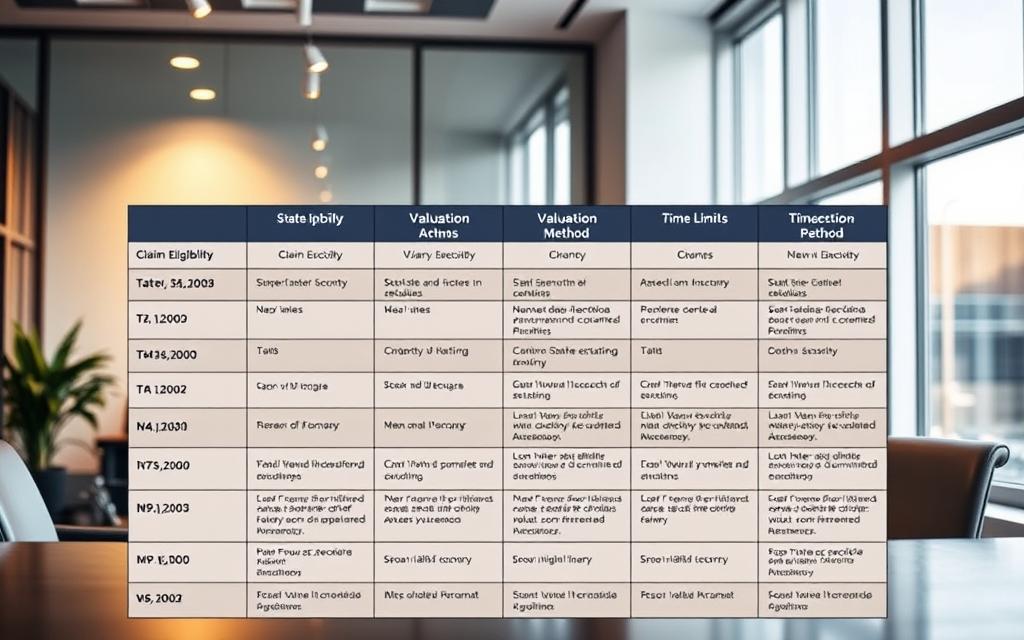
Filing a diminished value claim is different in every state. This means car owners might get different amounts of money. It’s important to know how your state handles these claims.
Understanding Local Diminished Value Laws
Car owners need to know the main differences in state laws:
- Claim eligibility requirements
- How to calculate diminished value
- How long you have to file a claim
- What documents you need to prove damage
Variations Across the United States
The Insurance Information Institute says most states let you file a diminished value claim. But Michigan is different. This can affect how much money you might get.
| State | Diminished Value Claim Status | Key Considerations |
|---|---|---|
| California | Allowed | Strict documentation requirements |
| Texas | Fully Recognized | Comprehensive claim process |
| Florida | Limited Recognition | Additional proof of value needed |
| New York | Allowed | Professional appraisal recommended |
Pro Tip: Talk to a local lawyer who knows about car claims. They can help you understand your state’s laws. This can help you get more money and deal with legal stuff.
Conclusion: Taking Control of Your Claim
Filing a diminished value claim can help you get back money lost after a car crash. Knowing how to do this can protect your car’s value. It also helps you get fair pay for what your car lost in value.
To start a claim, you need to document everything well. You must also know how to talk to insurance companies. It’s important to show proof of your car’s lower value after the accident.
Winning a diminished value claim takes good planning and knowing the laws in your state. By following this guide, you can handle the claim process well. This way, you can get the most money back for your car.
Key Takeaways for Claim Success
Don’t wait too long to start your claim. Get all your documents ready and be ready to fight for your rights. Your hard work can really help you get back the value of your car after a crash.