
What Happens If You Put Up a Fence Without a Permit:

Could skipping a permit for your new backyard fence turn a simple project into a costly legal battle? Many property owners assume fencing falls under “minor upgrades,” but local governments often disagree. Requirements hinge on factors like height, materials, and proximity to property lines. Ignoring these rules risks fines, forced removals, or even lawsuits.
Most municipalities enforce strict codes to maintain neighborhood aesthetics and safety. For example, a 6-foot privacy fence might require approval, while shorter decorative designs may not. Daily penalties can accumulate rapidly if violations aren’t resolved, and neighbors or HOAs often report unauthorized installations.
Regulations vary widely between cities and counties. Coastal zones, historic districts, or properties near sidewalks often have tighter restrictions. Always verify rules through official building department websites or in-person consultations before breaking ground.
Table of Contents
Key Takeaways
- Unauthorized fences may trigger daily fines or removal orders
- Height and location often determine permit requirements
- HOAs frequently impose additional fencing rules
- Coastal/historic areas usually have stricter guidelines
- Project delays increase costs if work is halted
- Liability risks rise with non-compliant structures
Understanding Fence Permit Regulations
Navigating fence projects requires knowing local codes that dictate design and placement. These regulations ensure structures meet safety standards and community aesthetics. Missing key details could lead to costly revisions or disputes with neighbors.
Overview of Fence Requirements
Most areas enforce specific height limits based on fence location. Front yards often allow only 3-foot solid barriers, while rear spaces may permit 6-foot privacy screens. Materials like chain-link or wood typically face fewer restrictions than sheet metal or barbed wire.
Setback rules prevent encroaching on public sidewalks or neighboring properties. Coastal zones and historic districts frequently require extra approvals. Always verify requirements through your city’s building department website before purchasing materials.
Why Permits Matter for Your Project
Obtaining a building permit confirms your design aligns with zoning laws. Inspectors check posts for stability and verify property line distances. This process reduces liability risks if accidents occur near the structure.
HOAs often layer additional rules over municipal codes. For example, some communities ban vinyl fencing or mandate uniform colors. Clarify these answers early to avoid redesigns mid-project.
Factors That Determine When You Need a Fence Permit
Three primary elements dictate whether your fencing project requires municipal approval. Local governments evaluate structural height, construction materials, and installation locations to maintain community standards. These factors help balance privacy needs with public safety concerns.

Fence Height and Material Considerations
Most cities require permits for barriers exceeding 6 feet tall. Indianapolis enforces this rule strictly, as do many urban areas. Heavy materials like masonry or concrete often trigger extra reviews due to their permanent nature.
Lightweight options like aluminum or vinyl-coated chain link typically face fewer restrictions. Always check if your chosen design meets wind resistance standards. Some municipalities limit solid fences in front yards to preserve neighborhood visibility.
Setbacks, Location, and Zoning Impacts
Zoning laws dictate how close you can build fence structures to streets or adjacent properties. Urban lots near sidewalks often need 3-foot setbacks, while rural areas might allow tighter placements.
Historic districts frequently ban modern materials like vinyl. Columbia City Code requires detailed site plans showing property lines for all new fence applications. Accurate surveys prevent costly disputes with neighbors over boundary encroachments.
what happens if you put up a fence without a permit
Property owners who bypass permit processes often face immediate repercussions. Municipalities prioritize code adherence to protect community standards and safety. Enforcement measures escalate quickly when structures violate zoning laws or encroach on public spaces.
Legal Consequences and Daily Fines
Daily penalties start averaging $100 in most U.S. cities. San Diego charges $150 per day for unapproved barriers, while Austin issues stop-work orders alongside fines. These costs compound until violations resolve, creating financial burdens exceeding original permit fees.
Compliance Issues and Forced Removal Orders
Local building departments conduct inspections after neighbor complaints or routine checks. Non-compliant structures typically receive 30-day correction notices. If unresolved, crews may dismantle fences at the owner’s expense. Miami reported 47 forced removals in 2023 due to shoreline encroachments.
| City | Daily Fine | Enforcement Action | Notes |
|---|---|---|---|
| Austin, TX | $125 | Work stoppage + fines | Applies to fences over 7ft |
| San Diego, CA | $150 | Immediate citation | Historic district rules differ |
| Miami, FL | $200 | Coastal zone removals | Put fence 15ft from waterline |
Unpermitted barriers can lower property values by 4-7% according to real estate studies. HOAs frequently require removal before home sales, creating unexpected costs for sellers. Always consult local building offices to avoid these pitfalls.
How to Secure a Building Permit for Your Fence Project
Securing proper approvals ensures your fencing project meets local standards while avoiding delays. Most municipalities follow a streamlined four-step process for permit issuance. Preparation is key to navigating requirements efficiently.
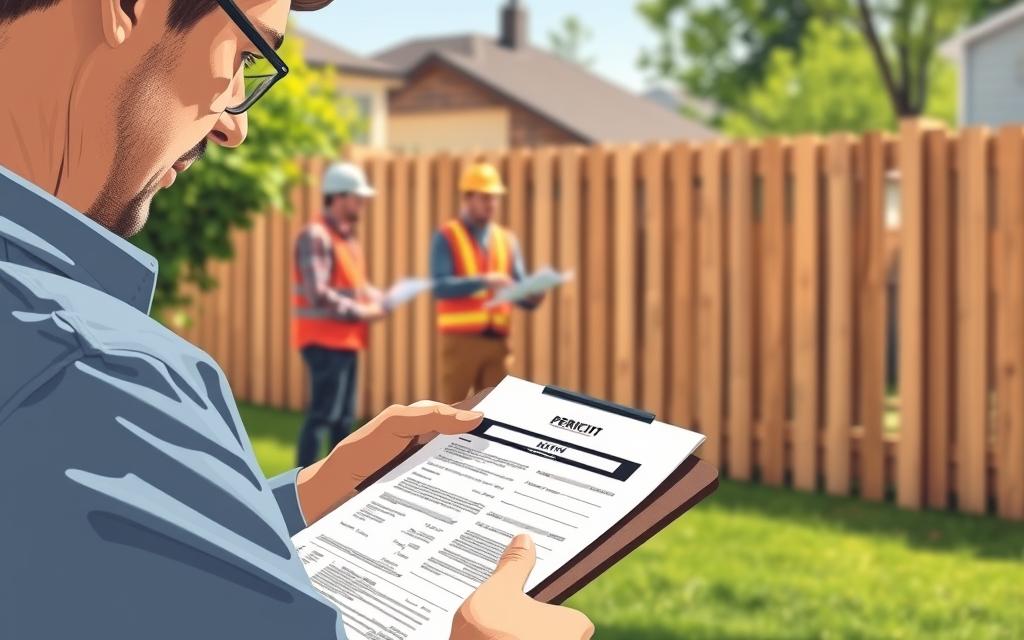
Application Process and Necessary Documentation
Start by gathering these three essential items:
- Completed permit form from your city’s building department
- Detailed site plan showing property lines and fence placement
- Material specifications and contractor license (if hiring pros)
Many areas require additional documents like:
- Notarized neighbor approval forms
- Historic district compliance certificates
- Coastal zone impact assessments
Timeline, Cost Considerations, and Expert Tips
Processing times vary significantly by location:
| City | Average Cost | Approval Time |
|---|---|---|
| Phoenix, AZ | $45 | 3 business days |
| Chicago, IL | $125 | 2 weeks |
| Rural Texas | $30 | Same-day |
Pro tips for faster approvals:
- Schedule pre-application consultations
- Use GPS-surveyed property markers
- Choose contractors who handle permit paperwork
Reputable fencing companies often include permit services in their quotes, saving you time. DIYers should verify final inspection requirements – most areas mandate checks for proper post depth and material compliance.
Navigating Local Zoning Laws, HOA Guidelines, and Property Line Rules
Establishing clear boundaries forms the foundation of any successful fencing project. Local zoning codes and HOA guidelines often dictate design specifications, while accurate land surveys prevent costly disputes. These measures protect both property rights and neighborhood harmony.
Understanding Property Lines and Land Surveys
A professional land survey identifies exact boundary markers before installation begins. Over 30% of neighbor disputes stem from incorrect assumptions about property lines. Coastal communities like Malibu require certified surveys for structures near beaches.
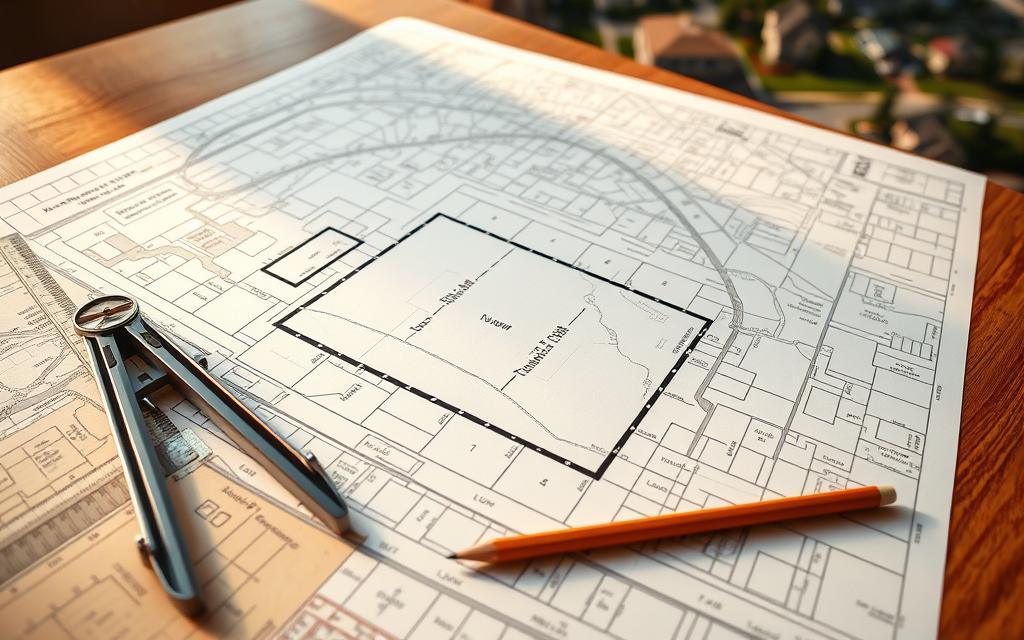
Local government departments enforce zoning rules that override personal preferences. For example:
| City | Survey Required | HOA Material Rules | Notice Period |
|---|---|---|---|
| San Francisco, CA | Yes (shared boundaries) | Wrought iron only | 45 days |
| Austin, TX | No (under 6ft) | Natural wood stains | 10 days |
| Miami, FL | Yes (coastal zones) | No vinyl | 30 days |
Negotiating with Neighbors and Local Authorities
Discuss plans with adjacent homeowners early. California’s Good Neighbor Fence Law mandates written notices detailing costs and designs. If disagreements arise, mediation services through the department of housing often resolve issues without court.
For homes in HOA communities, architectural review boards typically require:
- Pre-approved material samples
- Color matching existing structures
- Post-installation inspections
Document all communications with neighbors and local government agencies. This creates a paper trail if disputes escalate over shared property lines or maintenance responsibilities.
Mitigating Legal Risks and Avoiding Costly Penalties
Receiving a violation notice for your fencing project demands swift action. Local authorities typically allow 15-30 days to address compliance issues before escalating penalties. Immediate response prevents mounting fines and preserves your right to appeal.

Effective Response Strategies
Follow this four-step process when notified:
- Photograph the installation with measuring tools showing dimensions
- Contact your municipal building department for specific violation details
- Consult a land use attorney or licensed contractor specializing in permit solutions
- Submit a formal response within the deadline
Retroactive permits often require:
- Updated site plans with professional survey markers
- Material safety certifications
- Neighbor approval forms (if applicable)
| City | Response Deadline | Required Actions | Successful Outcomes |
|---|---|---|---|
| Austin, TX | 14 days | Height reduction + permit application | 87% compliance rate |
| Denver, CO | 21 days | Land survey + HOA approval | $500 average savings |
| Seattle, WA | 30 days | Environmental impact study | 92% approval rate |
Professional guidance reduces liability risks. Attorneys can negotiate reduced fines in 68% of cases, according to 2023 property law data. Document all communications and keep receipts for any modifications.
Prevent future issues by scheduling pre-project consultations. Many cities offer free zoning law reviews. Certified contractors provide warranty-backed installations that meet local codes.
Conclusion
Proper planning transforms fence installation projects from potential headaches into valuable property upgrades. Following the correct process ensures compliance with local codes while protecting your investment. Key steps include verifying height limits, securing building permits, and confirming property boundaries through professional surveys.
Consulting local building departments early prevents costly revisions. Many municipalities offer free zoning guides detailing approved materials and setback rules. These resources clarify common questions about shared boundaries or historic district requirements.
Investing time upfront saves money long-term. Retroactive permits often demand redesigns or neighbor negotiations, extending project timelines. Partnering with licensed contractors streamlines approvals, as most handle permit paperwork and compliance checks.
Review all guidelines before breaking ground. A well-executed fence enhances privacy and curb appeal – but only when aligned with community standards. Prioritize due diligence to avoid penalties and ensure lasting satisfaction with your outdoor upgrade.