
When a Case is Dismissed, Is It Still on Your Record?
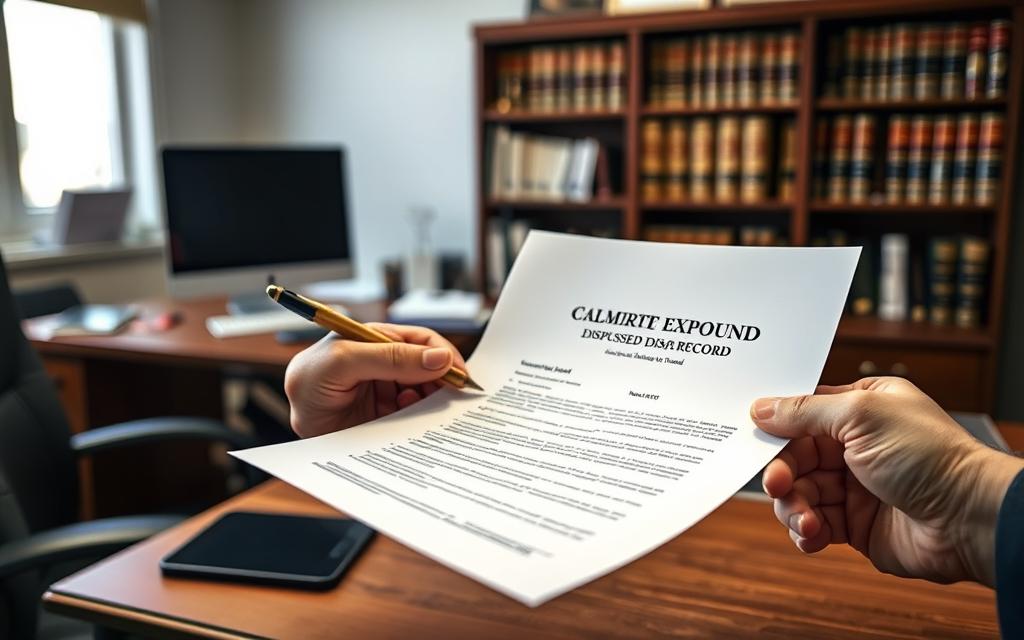
Many assume that dismissed charges disappear entirely from public view. But here’s the reality: dismissals don’t erase arrest records. Even if a court drops charges, traces of the incident often linger in background checks, job applications, or housing screenings.
An arrest record and criminal history are distinct. While a dismissal avoids conviction, the initial police report and arrest details typically remain accessible. Employers or landlords might still see these entries, creating unnecessary hurdles.
For example, Indiana requires filing a formal petition for expungement to remove such records. This legal process can take 30–180 days, depending on case complexity. Without proactive steps, dismissed cases may haunt your background indefinitely.
Table of Contents
Key Takeaways
- Dismissed charges don’t automatically clear arrest records.
- Background checks often reveal arrests even without convictions.
- Expungement or record sealing requires legal action.
- State-specific timelines apply (e.g., 30–180 days in Indiana).
- Consulting a criminal defense attorney clarifies next steps.
Understanding Dismissed Cases and Arrest Records
Legal outcomes often leave lingering questions about documentation. While charges may be dropped, their paper trail persists in various systems. Arrest records and criminal records function differently, creating confusion for those navigating background checks or job applications.
What Happens After a Dismissal
Courts close dismissed charges without convictions, but the filing remains accessible. Law enforcement agencies retain arrest details like fingerprints, mugshots, and police reports. These entries stay visible in public records unless legally removed.
North Dakota allows individuals to restrict access through court petitions post-dismissal. Similar processes exist in Texas, where eligibility depends on case specifics. Without formal expunction, these documents can surface during housing screenings or employment verifications.
Arrest Records vs. Criminal Records
Arrest records document police interactions, even without convictions. They include:
- Initial incident reports
- Booking photographs
- Fingerprint data
Criminal records only list proven violations through guilty pleas or verdicts. Most employers see convictions during standard checks. Detailed screenings might reveal arrest histories, though some states prohibit this practice.
Understanding these distinctions helps when filing petitions for expunction. Legal timelines vary – some states mandate waiting periods before record removal. Consulting a criminal defense professional ensures proper navigation of these complex systems.
When a Case is Dismissed is It Still on Your Record: Impact on Your Future
Employers frequently discover dismissed charges during background screenings. While no conviction exists, these entries can still influence hiring decisions. Industries like education or healthcare often reject applicants over arrest histories, even for minor incidents resolved years prior.

Employment Barriers and Legal Solutions
Background checks sometimes highlight dismissed cases alongside convictions. Texas employers might request explanations for such entries, while California restricts their use in hiring decisions. Deferred adjudication programs—like Philadelphia’s marijuana expungement initiative—show successful completion doesn’t always erase records automatically.
Key considerations for job seekers:
- Expungement removes charges from criminal records, but requires filing petitions
- Nondisclosure orders limit access to specific employers
- State laws vary (e.g., North Carolina allows immediate expunction for dismissals)
Misdemeanor charges dismissed through pretrial diversion still appear in some databases. Legal counsel helps determine if sealing records or pursuing expungement suits your situation. Waiting periods range from 30 days to a decade, depending on jurisdiction and charge severity.
Proactive steps matter. A criminal defense attorney can challenge incorrect background reports or accelerate expunction processes. Without intervention, opportunities in finance, government, or licensing fields may remain inaccessible despite case outcomes.
An experienced expungement lawyer in Virginia can help clear your criminal record efficiently. Hire a trusted expungement lawyer to protect your future opportunities. Don’t let past charges hold you back—consult an expungement lawyer today.
Expunctions, Nondisclosure, and Record Sealing Explained
Clearing your legal history requires navigating specific procedures based on local laws. Two primary options exist: expunction and nondisclosure. Each offers different levels of privacy protection for dismissed charges.
Expunction Process and Timeline
Expunction erases all traces of an arrest or charge from criminal records. To start, file a formal petition in the original court handling your case. Texas requires proof of dismissal or acquittal for eligibility.
The process typically follows these steps:
- Submit petition with supporting documents
- Court reviews request (30–60 days)
- Judge approves/denies expunction
- Law enforcement agencies purge records (30–120 days)
Indiana mandates a one-year waiting period post-dismissal before filing. Successful expunctions remove entries from public records and most background checks.
Nondisclosure Benefits and Limitations
Record sealing through nondisclosure hides information from public view while preserving access for law enforcement. This option suits those completing deferred adjudication programs.
Key differences between methods:
| Factor | Expunction | Nondisclosure |
|---|---|---|
| Record Status | Destroyed | Hidden |
| Eligibility | Dismissals | Probation completions |
| Law Enforcement Access | None | Full |
Texas grants automatic nondisclosure for certain misdemeanors after waiting periods. However, federal agencies and licensing boards might still view sealed records. Consult a criminal defense attorney to determine the best approach for your situation.
The Role of Legal Counsel in Managing Dismissed Cases
Navigating the aftermath of dismissed charges demands precise legal expertise. While courts close these matters, lingering criminal records or arrest details can still affect job prospects and housing applications. Professional guidance becomes critical to ensure proper resolution.

How Legal Professionals Facilitate Record Clearance
Attorneys assess eligibility for expunction or nondisclosure based on state laws. For instance, Arizona’s statutes require specific criteria for record sealing. Lawyers review court documents, arrest reports, and dismissal orders to build strong petitions.
The process often involves:
- Identifying errors in background checks
- Preparing certified dismissal paperwork
- Filing motions within strict deadlines
Legal teams also negotiate with prosecutors to expedite approvals. In one example, a criminal defense attorney secured a nondisclosure order for a client within 45 days, preventing employers from viewing dismissed charges.
Many firms offer a free consultation to evaluate options. This step clarifies whether dismissed charges stay on your record permanently or qualify for removal. Proactive legal action often leads to better outcomes in employment screenings and licensing reviews.
Securing experienced counsel ensures compliance with complex procedures. It transforms unclear situations into actionable solutions, protecting long-term opportunities.
Conclusion
Clearing your name legally doesn’t end with a case dismissal. Arrest details often remain visible in public systems, creating hurdles for employment or housing. Background checks frequently display these entries, even without convictions.
Understanding the difference between arrest and criminal records is vital. While convictions stay permanently, dismissed charges can linger unless removed through expungement or nondisclosure. These processes require filing specific petitions, often with strict deadlines.
Proactive legal steps make all the difference. An experienced attorney can navigate state-specific rules for sealing records or destroying them entirely. Many offer a free consultation to review eligibility and timelines.
Remember: dismissed charges don’t vanish automatically. Taking action now protects future opportunities in careers, education, and housing. Legal guidance turns complex paperwork into lasting solutions.